Views: 1 Author: AHONY Publish Time: 2025-11-29 Origin: AHONY

The process of getting a photovoltaic (PV) module approved for use in Australia by the Clean Energy Council (CEC) relies heavily on existing international certifications. The CEC does not issue a separate "CEC certificate"; instead, it maintains a List of Approved PV Modules.
Here is the typical process for a manufacturer to get a module model listed:
Step 1: Secure the Prerequisite International Certifications
You must have valid certificates for both standards from an accredited testing laboratory.
IEC 61215: This certifies the module's performance and mechanical reliability (e.g., ability to withstand hail, wind load, hot spots).
IEC 61730: This certifies the module's safety requirements (e.g., electrical insulation, fire resistance).
Step 2: Obtain an Australian Compliance Report from your Certification Body
This is the crucial "translation" step. You must contact the certification body that issued your IEC certificates (e.g., TÜV Rheinland, UL, VDE, SGS).
Request that they issue a specific Report that demonstrates your module's compliance with the Australian Standard AS/NZS 5033 (Installation and safety requirements for PV arrays).
The certification body will review your IEC 61215 and IEC 61730 test data and, if everything is in order, issue a report or statement confirming that the module meets the safety and construction requirements of AS/NZS 5033, based on the IEC test evidence.
Step 3: Submit the Application to the Clean Energy Council
With the required documents in hand, you apply to the CEC.
Create an account on the CEC's application portal.
Submit the application for the specific module model, uploading all required documentation. The key documents typically include:
The IEC 61215 Certificate and test report summary.
The IEC 61730 Certificate and test report summary.
The Report from your Certification Body confirming compliance with AS/NZS 5033.
A copy of the module's datasheet.
Evidence of the manufacturer's Quality Management System (e.g., ISO 9001 certificate).
Step 4: CEC Review and Listing
The CEC will review your application. If all documents are correct and compliant, they will add your module model to their public List of Approved PV Modules. Installers can then use these listed modules in systems eligible for government rebates (like Small-scale Technology Certificates - STCs).
Yes, there are critical timeliness requirements for both the certificates and the listing itself.
1. Validity of Underlying IEC Certificates:
The IEC 61730 certificate must be current and valid at the time of your application to the CEC. Certification bodies typically require annual surveillance audits to maintain the validity of this certificate. An expired certificate will make your application invalid.
The IEC 61215 standard itself does not have a formal expiry date for the certificate once issued. However, the CEC and the market expect that the certified product continues to be manufactured identically to the tested samples. Significant changes to the design or manufacturing process would require a re-assessment.
2. Validity of the CEC Listing:
Once listed, a PV module model remains on the CEC Approved List for a period of five (5) years from the date of its initial listing.
To maintain the listing beyond this 5-year period, the manufacturer must reapply before the expiry date. The reapplication process involves submitting updated certificates (particularly a valid IEC 61730 certificate) and the compliance report for AS/NZS 5033, proving the product is still in production and compliant with the current standards.
In summary:
The process is not a "conversion" but a recognition pathway. You use your existing, valid IEC certificates as the foundation to prove compliance with Australian rules. The key is to get your certification body to formally link your IEC test data to the Australian standard AS/NZS 5033.
Always check the latest CEC guidelines directly, as requirements can change. The official CEC website is the best source for the most current information.
Related:
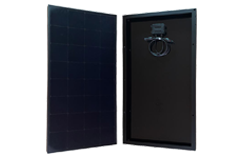
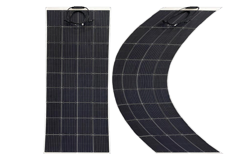
AHONY back contact cell and Topcon solar cell module are certified by IEC61215 IEC61730.