Views: 4 Author: Site Editor Publish Time: 2025-11-29 Origin: Site
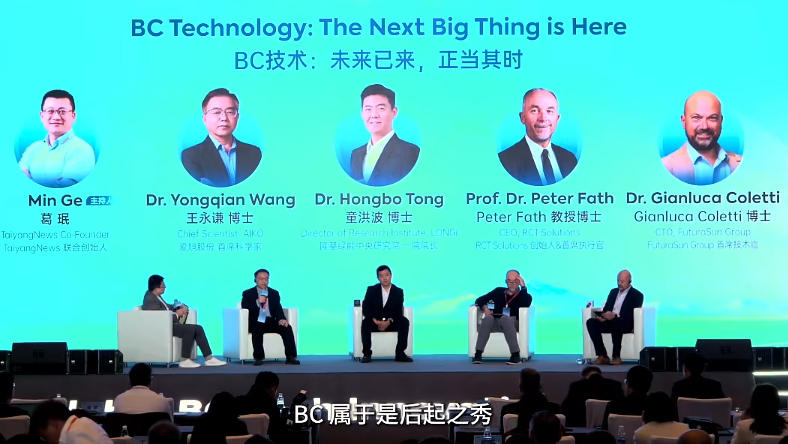
The assertion by Wang Yongqian, Chief Scientist of leading global solar cell manufacturer Aiko Co., Ltd., that "BC technology is the ultimate version of monocrystalline silicon cells" is not made without basis. It is grounded in the comprehensive potential of BC cells regarding conversion efficiency limits, aesthetic advantages, and power generation performance. This statement signals that the technological competition in the photovoltaic industry is shifting from a pure "efficiency race" to a new phase that equally emphasizes "efficiency, aesthetics, and scenario-based application." BC technology is expected to penetrate the high-end market in the coming years and gradually become mainstream.
BC stands for "back-contact" cell. Its core concept is to move all the front-side electrode grid lines to the back of the cell.
Traditional Cells: The front side has metal grid lines of varying thickness, like fingers, used to collect current. These lines block some light.
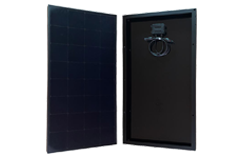
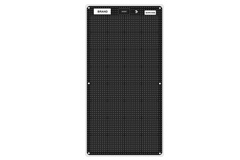
BC Cells: The front side has no metal grid lines at all, presenting a completely uniform, black, and full light-receiving surface.
This structure offers two major immediate benefits:
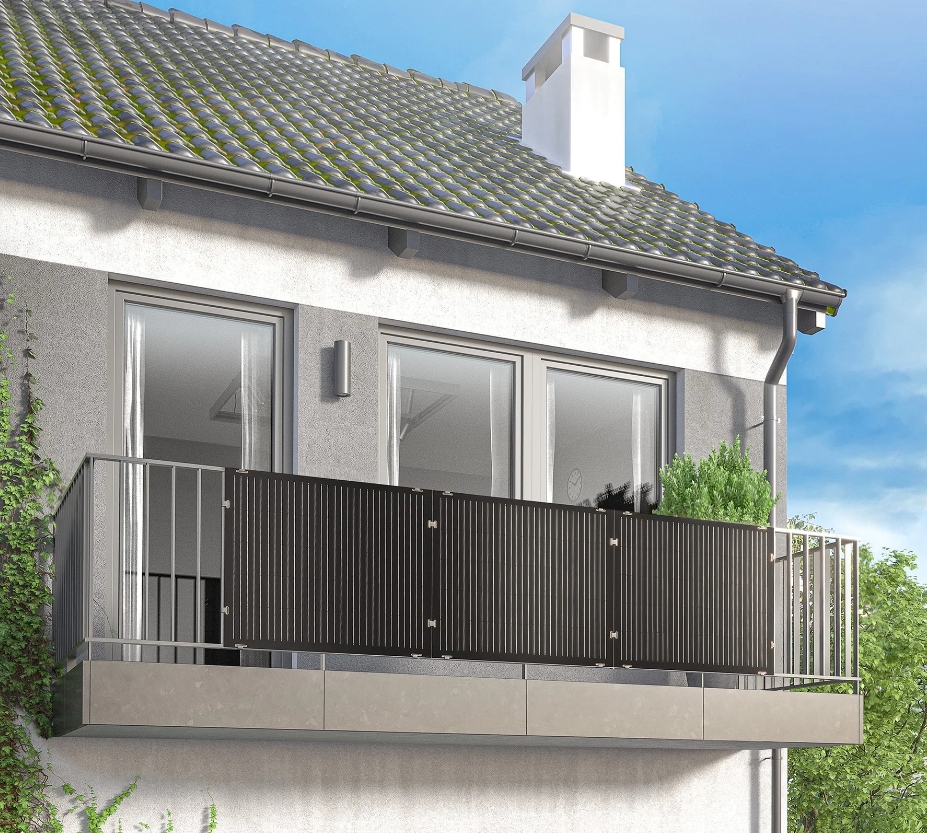
Extremely Aesthetic Appearance: The all-black modules are perfectly suited for applications where aesthetics are crucial, such as residential rooftops and building-integrated photovoltaics (BIPV).
Theoretically Higher Efficiency: Since there is no shading from front grid lines, the utilization of incident photons is maximized, providing the physical basis for higher conversion efficiency.
This claim of being "ultimate" is primarily based on physical and structural considerations:
Structural Endpoint: In the evolution of crystalline silicon cell structures, from early BSF to PERC, and then to TOPCon and HJT, the process has continuously reduced optical and electrical losses. BC technology completely solves the fundamental optical loss problem of "front grid line shading" by moving all electrodes to the back. Structurally, this is the pinnacle; there's no further room to "remove" anything.
Peak Efficiency Potential: Both theoretical calculations and lab data show that the BC structure is an ideal platform for various high-efficiency silicon cells (including TOPCon, HJT, etc.). This means that the principles of TOPCon or HJT technology can be combined with the BC structure to form TBC or HBC cells, thereby approaching the theoretical efficiency limit of 29.4% for silicon cells. Currently, lab efficiency records are mostly held by HBC cells.
Platformization and Compatibility: BC is more of a "platform" technology that can absorb and integrate the advantages of other technologies. Wang Yongqian's view suggests that future technological iterations will likely involve micro-innovations and optimizations on this BC platform, rather than the emergence of a completely different, disruptive cell structure.
Although BC technology faces challenges such as complex manufacturing processes and higher costs, the trend of its accelerated adoption is indeed becoming visible:
Industry Giants Are Betting on It:
Aiko: The most active promoter of BC technology, having mass-produced "ABC" cells and applied them in its bases in Zhuhai and Jinan.
LONGi: Stated multiple times in 2023 that BC technology will be the absolute mainstream in the next 5-6 years and is fully promoting its "HPBC" product series.
Other Manufacturers: Several companies, including Tongwei and LG, are also actively researching, developing, and planning for BC technology.
Expansion of Application Scenarios:
High-end Distributed Market: Its aesthetic appeal offers an irreplaceable competitive edge in the residential and commercial & industrial rooftop markets, allowing for brand premium.
Efficiency-Sensitive Scenarios: Where space (land, rooftop area) is limited, higher efficiency translates to higher energy density and a better return on investment.
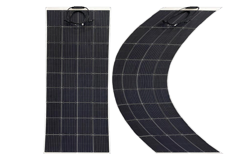
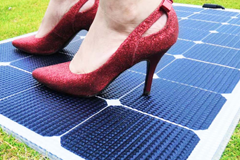
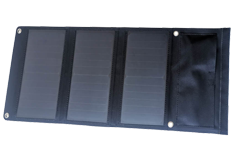
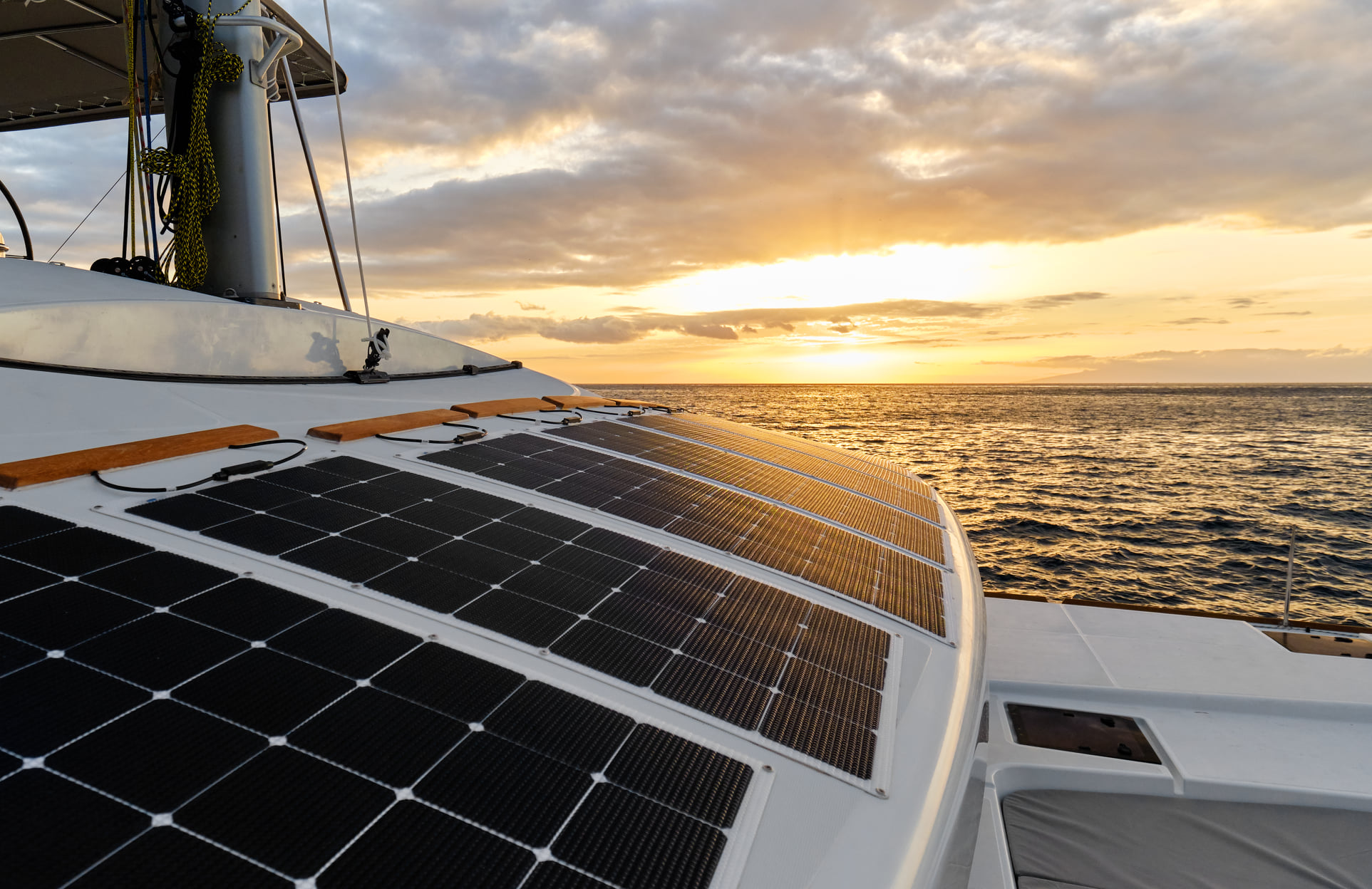
Special Applications: Such as car roofs, outdoor gear, etc., where both the appearance and performance of the modules are critical.
Continuous Cost Reduction: As yield rates improve, economies of scale take effect, and process equipment advances, the cost gap between BC modules and mainstream PERC and TOPCon modules is rapidly narrowing.
Main Challenges:
Complex Manufacturing Process: Requires precise laser grooving, alignment, and doping techniques, demanding extremely high process control.
Cost Issues: Current production costs remain higher than those of mainstream TOPCon.
Patent Barriers: Early BC technology was dominated by SunPower, creating certain patent obstacles that require companies to design around or innovate.
Future Outlook:
Technology Route Convergence: The future will not feature a single BC technology, but rather the parallel development of "TOPCon+BC" and "HJT+BC" routes, competing for the efficiency crown.
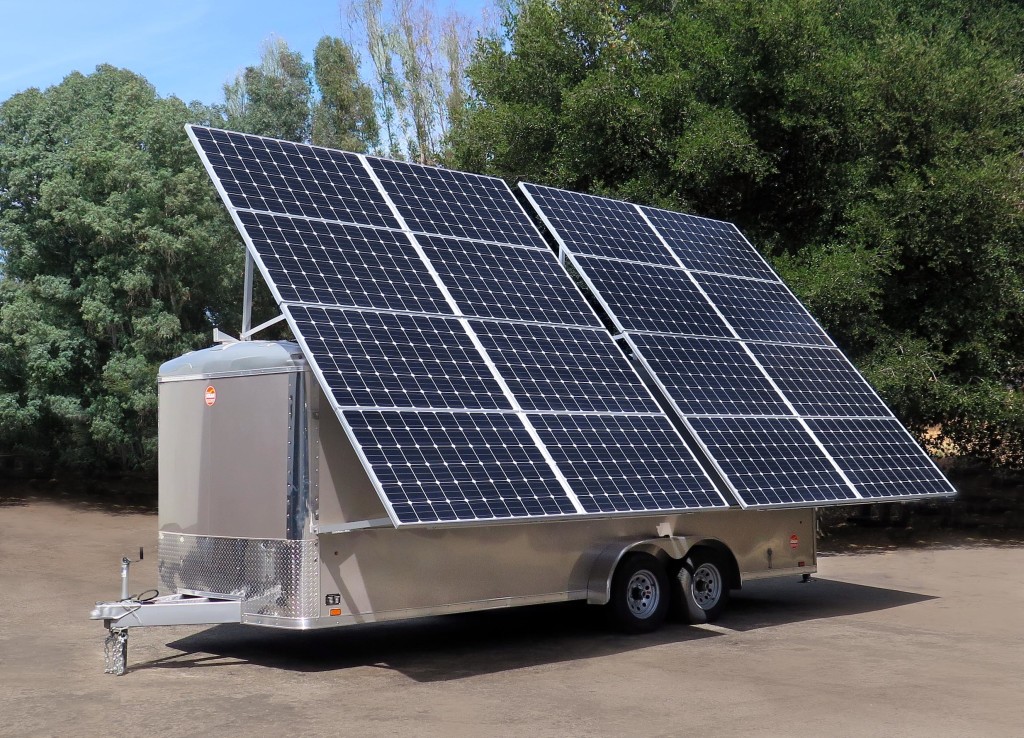
Market Stratification: In the short term, the PV market may stratify: BC technology leading the high-end distributed market, while TOPCon and others focus more on price-sensitive large-scale ground-mounted power plants.
Industry Reshuffle: The high barriers of BC technology may accelerate industry consolidation, giving technologically strong leading companies a greater advantage.
Wang Yongqian's statement is a high-profile declaration from Aiko, a technology leader, regarding its strategic choice, and it accurately identifies an inevitable trend in PV cell technology development. With its ultimate structure, peak efficiency potential, and unique aesthetic advantages, BC technology truly represents a crucial direction for the evolution of crystalline silicon cells. Although challenges remain, driven by the strong push from industry leaders and the pull of market demand, BC technology is rapidly moving from an "exclusive" lab technology to the center stage of industrial application. The process of it becoming a mainstream route is indeed accelerating.
Related:Back contact cell module

Model No.:AP-ER-240W-B2
Certification:IEC61215 IEC61730,CB,CE ROHS,UKCA
Solar cell:Longi and AIKO solar cell
Cell efficiency:25.8% to 27%